← Back to Projects
Service Design Civic Systems NYC DCLA Proposal

Hold Space.
A landlord entry point for
NYC Create in Place.

The city built a program that puts artists in vacant storefronts. It works. But there was no front door a landlord could actually walk through.

Create in Place launched less than a year ago and did something no other city program had done. It started a conversation between landlords and artists that the market never would. The infrastructure exists. The caseworkers are good at it. But every relationship still begins with a caseworker knocking on a door, one at a time, and there is no version of that ask a landlord can encounter on their own.

Finding 01
Landlords are reachable
80% of NYC storefronts already offer flexibility for non-traditional tenants. The willingness is there. The awareness of Create in Place is not, yet.
Finding 02
Language is everything
Landlords don't respond to program language. They respond to a direct, human ask. The entry point needs to feel like a conversation, not an application.
Finding 03
The neighborhoods are ready
Cultural ecosystems in SoHo, Fort Greene, and Bushwick are mid-cycle. Fragile but intact. Acting now protects what is already there.
What the city has
A working program
Caseworkers, partner orgs, lease templates, incentive programs
No front door
What the landlord sees
Nothing they recognize
No entry point, no peer example, no small first step

"Landlords need to see a glimpse of what artists can achieve."

Barbara Anderson . Founder, Art on the Ave

"Honestly I said yes because it was only thirty days and there was nothing to sign except one page. But the first Saturday the artist opened her studio, there were twenty people on the sidewalk looking in the window."

Landlord . Composite from field interviews

The barrier to landlord participation is not values.
It is legibility.

The model that solves it is already running inside DCLA. It just hasn't been systematized. Create in Place doesn't need a new program. It needs a front door, built with the same low-friction logic the city already knows how to execute with Open Culture permits.

Hold Space. Three layers that move a landlord from stranger to committed neighbor.

The kit makes them curious. The platform makes the introduction. The site visit makes them ready. The agreement captures a decision they have already made.
Layer 01
The Welcome Kit
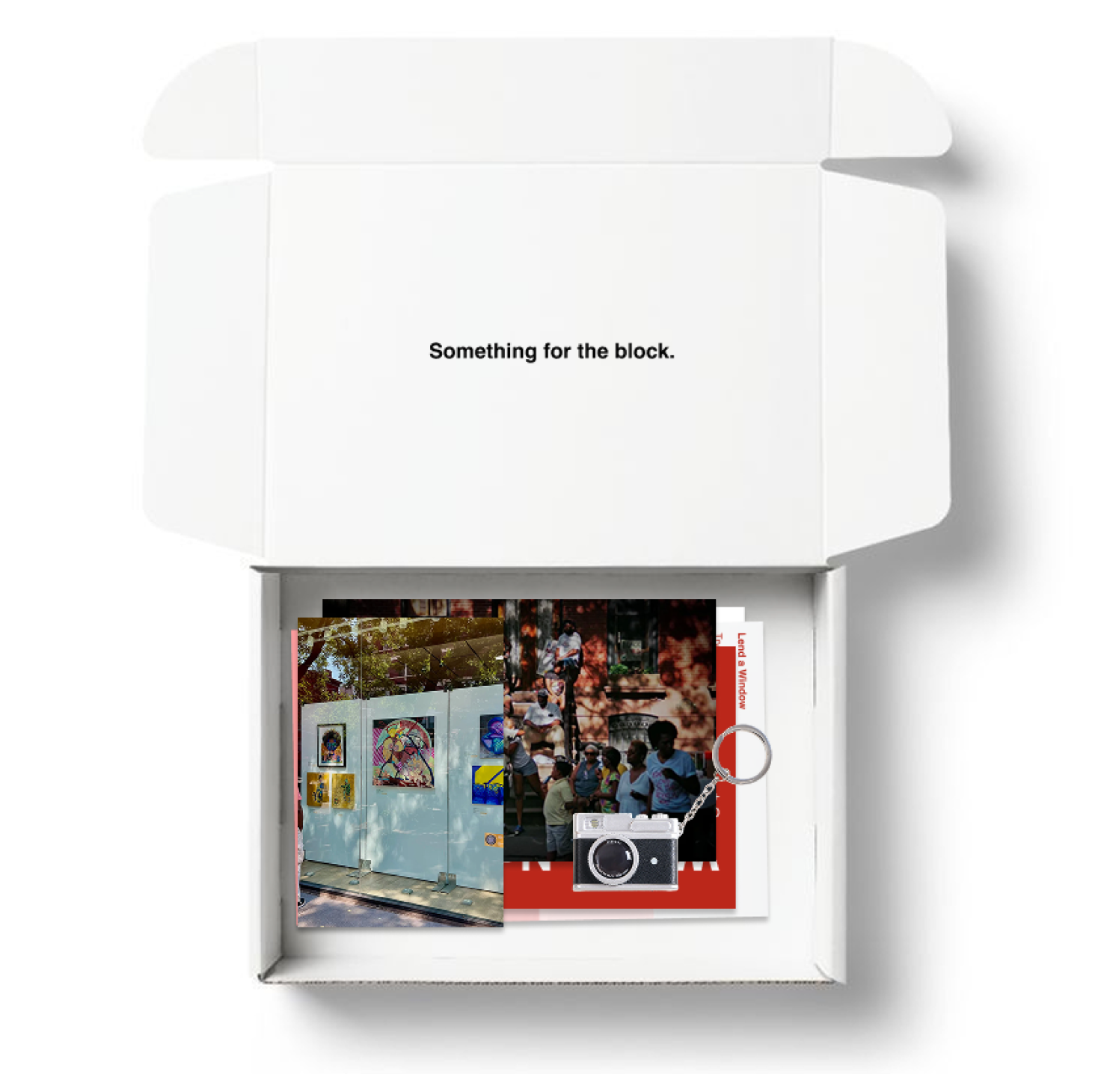
A physical object that arrives in a landlord's hands. Five pieces, sequenced to move them from curious to introduced. Design logic borrowed from the Open Culture permit: low barrier, clear process, city backing visible but not dominant.
Open white mailer box with the line 'Something for the block.' printed inside the lid, holding printed cards, a red Lend a Window insert, and a camera keychain. "Something for the block." The first line a landlord reads.
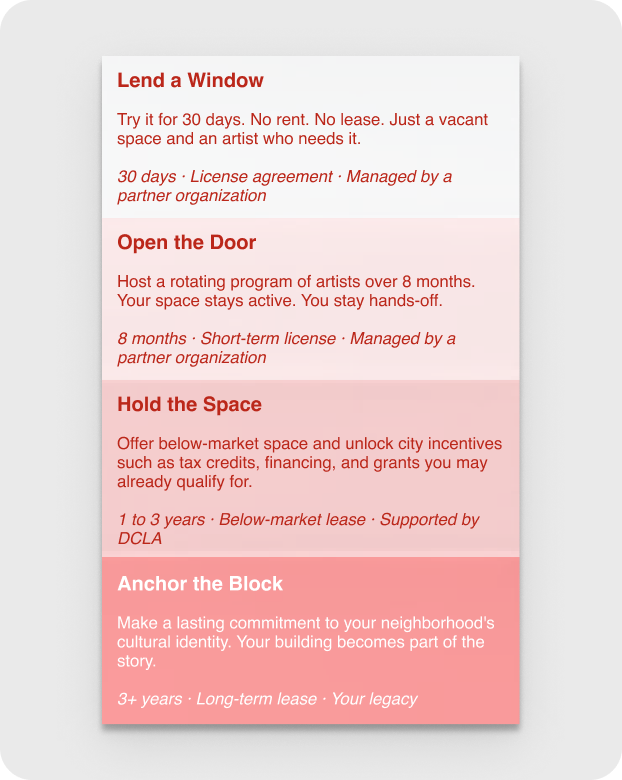
Printed participation spectrum card showing four levels: Lend a Window, Open the Door, Hold the Space, Anchor the Block, in deepening shades of red. Spectrum card. Colour deepens as commitment does.
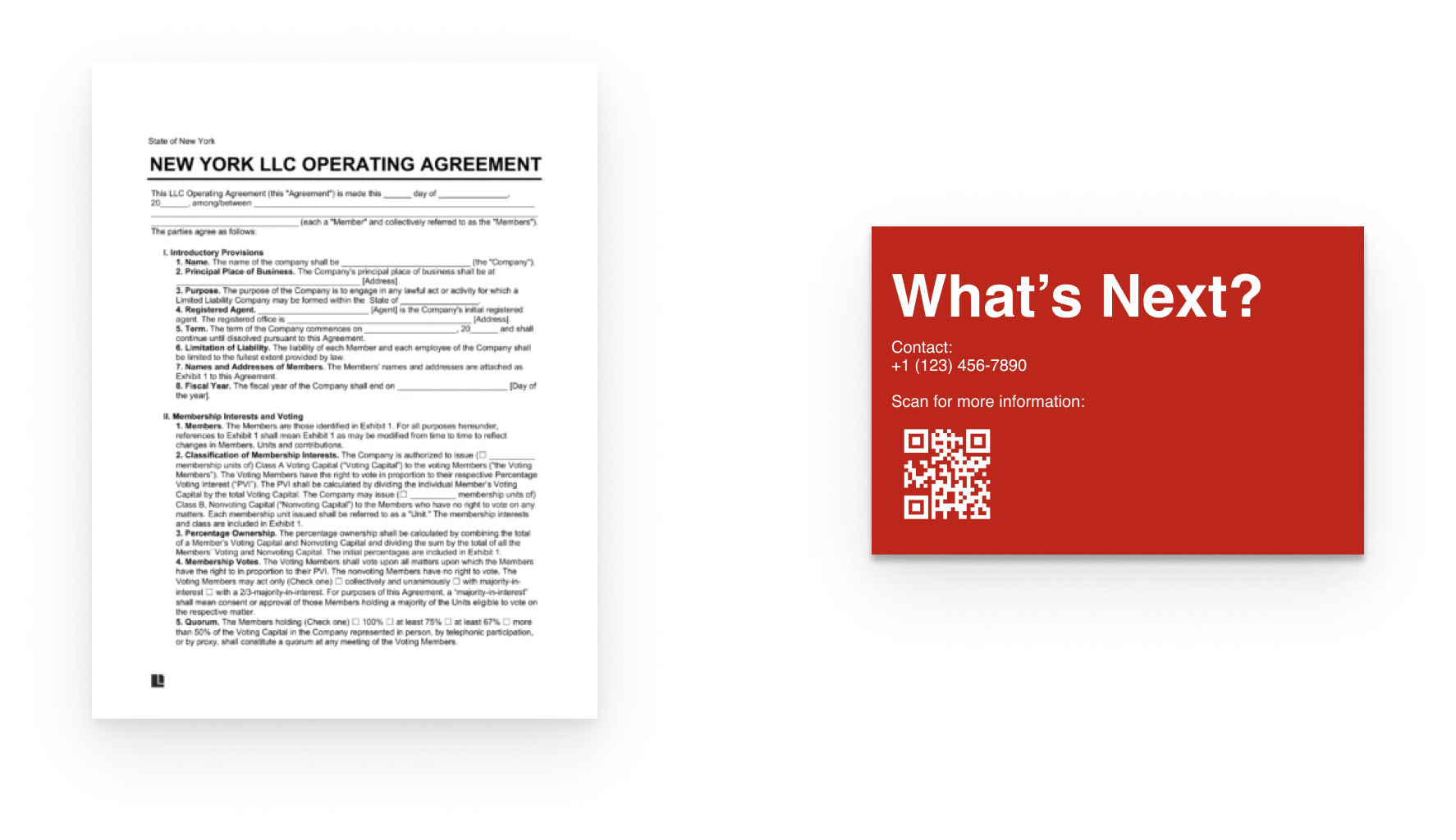
Sample New York license agreement document next to a red What's Next card with a phone number and QR code. Sample agreement and What's Next card.
What's in the box
First
Landlord Story
A portrait of a neighbor who had the same vacant space and chose to do something different with it.
WhyPolicy language doesn't move people. A story about someone on their block does.
Then
Artist Card
A small print of the artist's work on the front. What they offer the community on the back. Rootedness, practice, need, affiliation.
WhyTwo routes to trust. Org-affiliated artists carry the organization's reputation. Independent artists are vouched for by a caseworker or community reference, which closes the equity gap where independents are most concentrated.
Then
Participation Spectrum
Four levels of commitment laid out side by side, from a 30-day window to a long-term anchor tenancy.
WhyGives landlords the language to locate themselves, so the conversation starts from where they actually are.
Last
Agreement and Contact
A sample license agreement and a card with a phone number and a QR code.
WhyThe next step has to be one action long. Nothing to research, nothing to prepare.
The participation spectrum . the ask doesn't have to be big to start a relationship
01
Lend a Window
Try it for 30 days. No rent. No lease. Just a vacant space and an artist who needs it. Five-day exit clause. The smallest possible yes.
30 days
License agreement
Managed by a partner organization
02
Open the Door
Host a rotating program of artists over 8 months. Your space stays active. You stay hands-off. The organization or caseworker manages the relationship.
8 months
Short-term license
Managed by a partner organization
03
Hold the Space
Offer below-market space and unlock city incentives you may already qualify for. REAP, Build NYC, SBS grants, connected on your behalf.
1 to 3 years
Below-market lease
Supported by DCLA
04
Anchor the Block
A lasting commitment to the neighborhood's cultural identity. Full city incentive infrastructure. The landlord becomes a peer reference for future site visits.
3+ years
Long-term lease
Your legacy

Movement between levels is the point. One artist we tracked moved through four locations . Fulton Center, Oculus, 28 Liberty, East Midtown . and that mobility is what built her audience. Stability and movement aren't opposites here. They work together.
Layer 02
The Online Platform
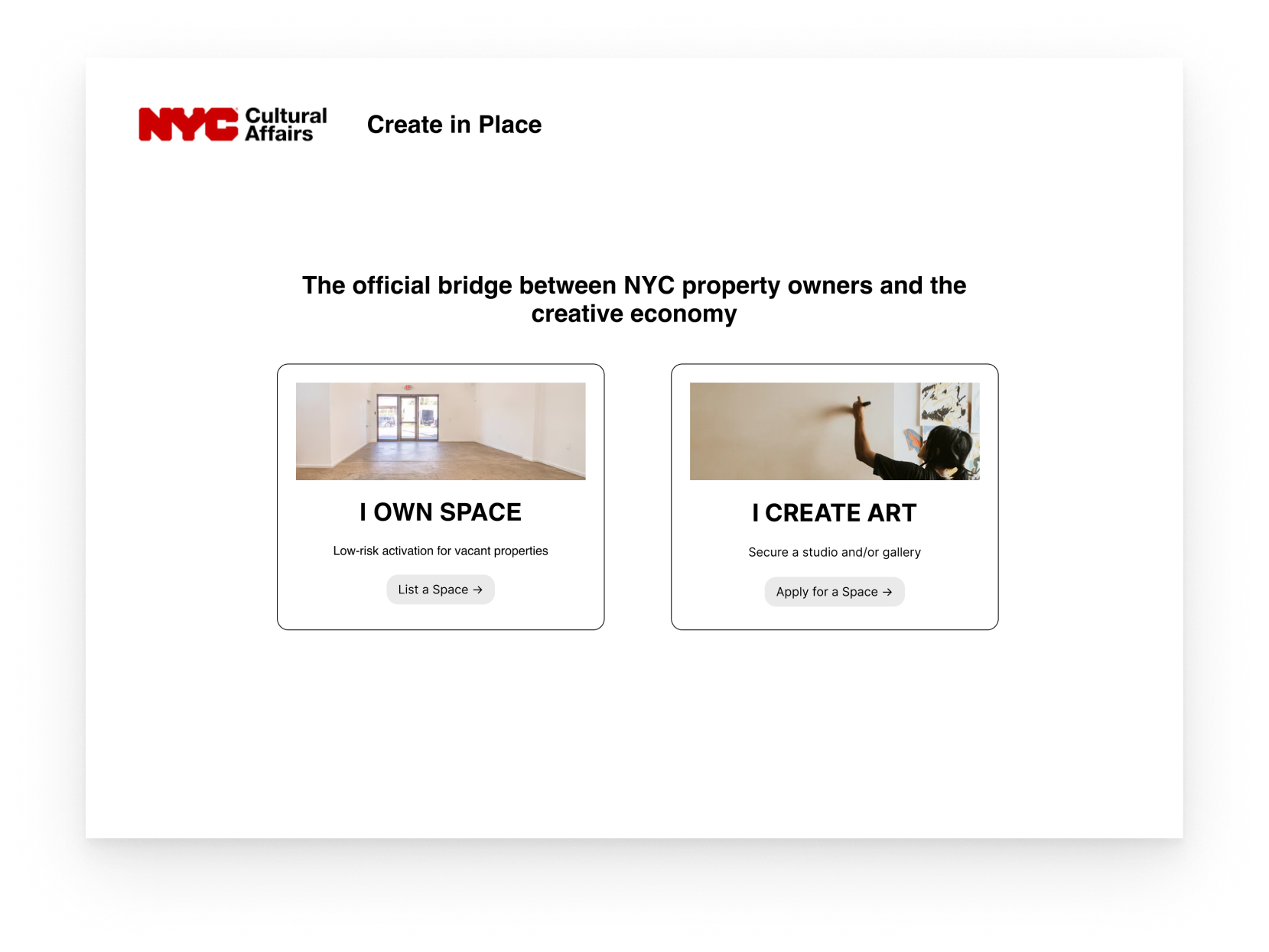
Two doors on the homepage. I own space. I create art. The platform's job is to make the right introduction and schedule the site visit. Not to get a signature.
Create in Place homepage under the NYC Cultural Affairs mark, with two entry cards: I Own Space and I Create Art. Homepage. Two doors, city mark on top, nothing to read before choosing one.
What it deliberately is not
A marketplace
A curated service that leads to a connection
Landlords see only the introductions relevant to their space and their neighborhood.
A public gallery of artists
Artists are not publicly browsable
Matching is a structured layer that scales what caseworkers already do well, one relationship at a time.
An application portal
A conversation starter
List a space, or apply for one. Both routes end in a scheduled visit, not a form submission.
A city-wide broadcast
A neighborhood targeting framework
Go where the ecosystem is fragile, not where it has already gone. SoHo, Fort Greene, Bushwick first.
Layer 03
The Site Visit
Where commitment happens, because the landlord has felt something real. They meet in an active creative space, with the artist and DCLA present, and hear from another landlord who has already said yes.
Who is in the room
L
Landlord
The person deciding
A
Artist
Makes the work legible
P
Peer Landlord
Already said yes. Carries the trust.
D
DCLA
Handles the paperwork question
What happens after
Within 48 hours
If signed, a welcome moment arrives. A photograph of the artist, a handwritten note, and a map of every landlord in the city who has said yes.
Day 1
Activation begins. The space opens. The block sees it.
Day 30
Caseworker check-in. Successes, friction, and whether the landlord is ready to move up a level. Staying is a valid answer.

Research, synthesis, and the working artifacts behind the proposal.
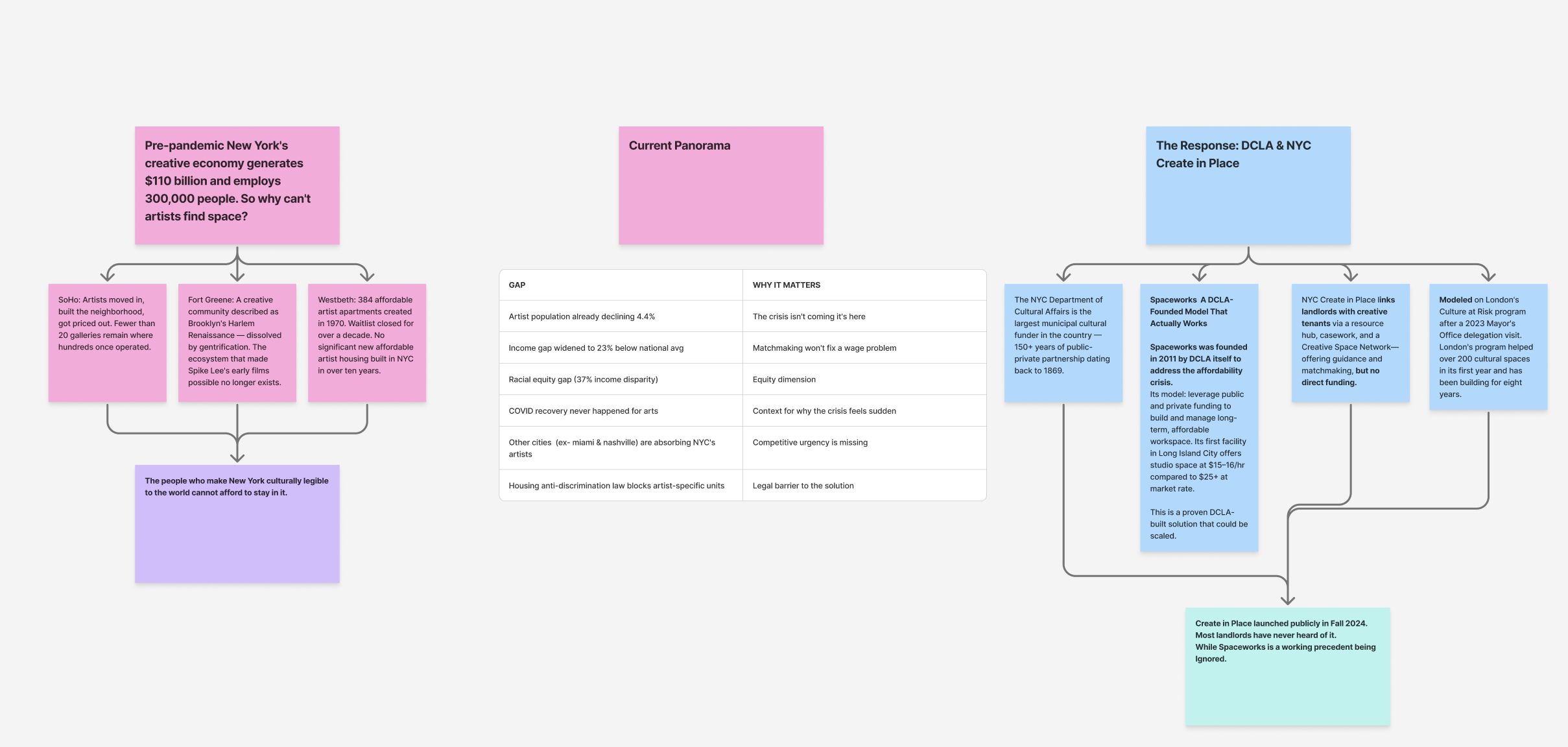
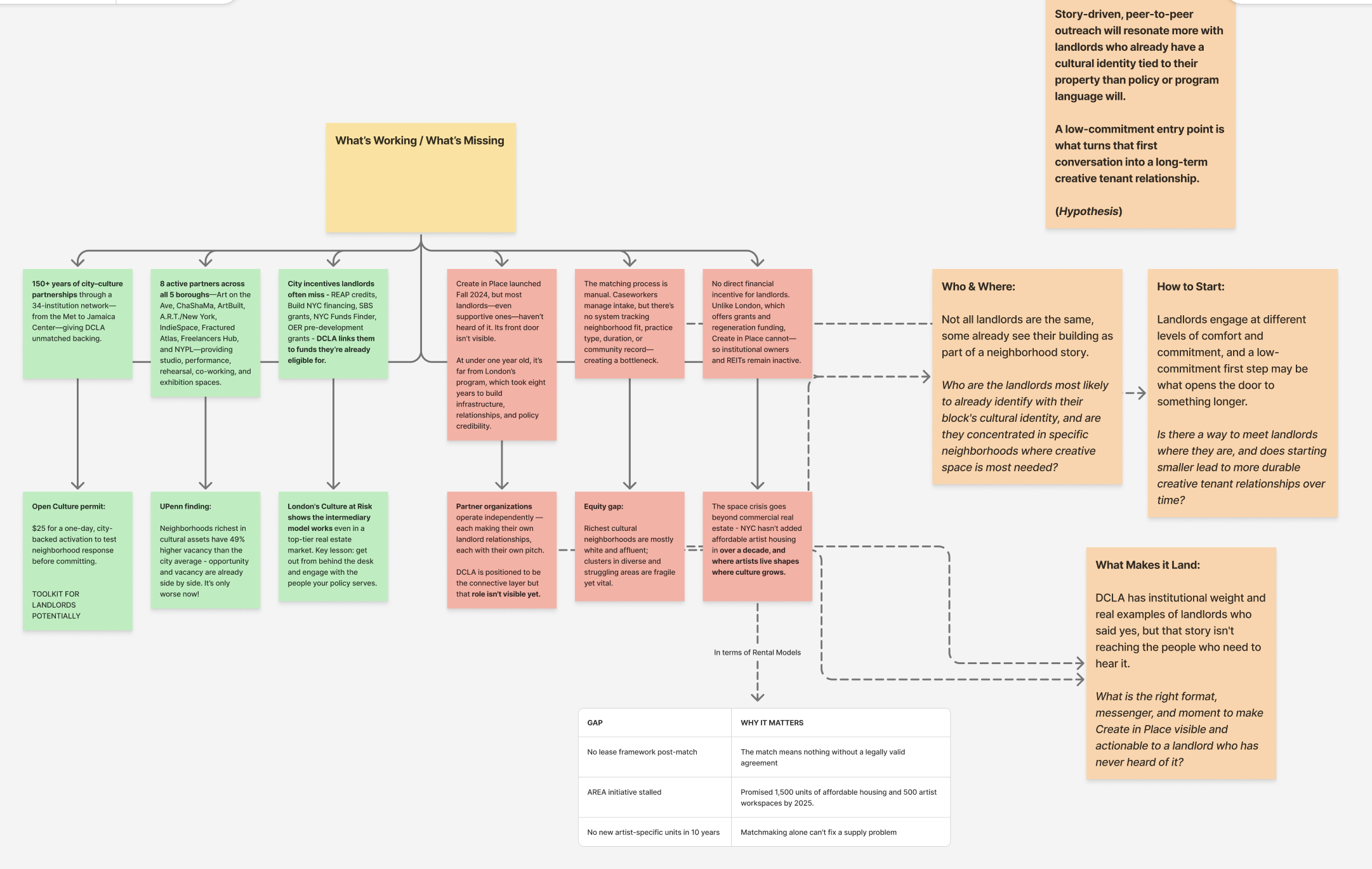
Research board mapping New York's creative space crisis, the gaps in the current panorama, and DCLA's existing response including Spaceworks and Create in Place.
Context mapping
Gap analysis board separating what is working from what is missing in Create in Place, leading to the hypothesis about story-driven landlord outreach.
What's working, what's missing
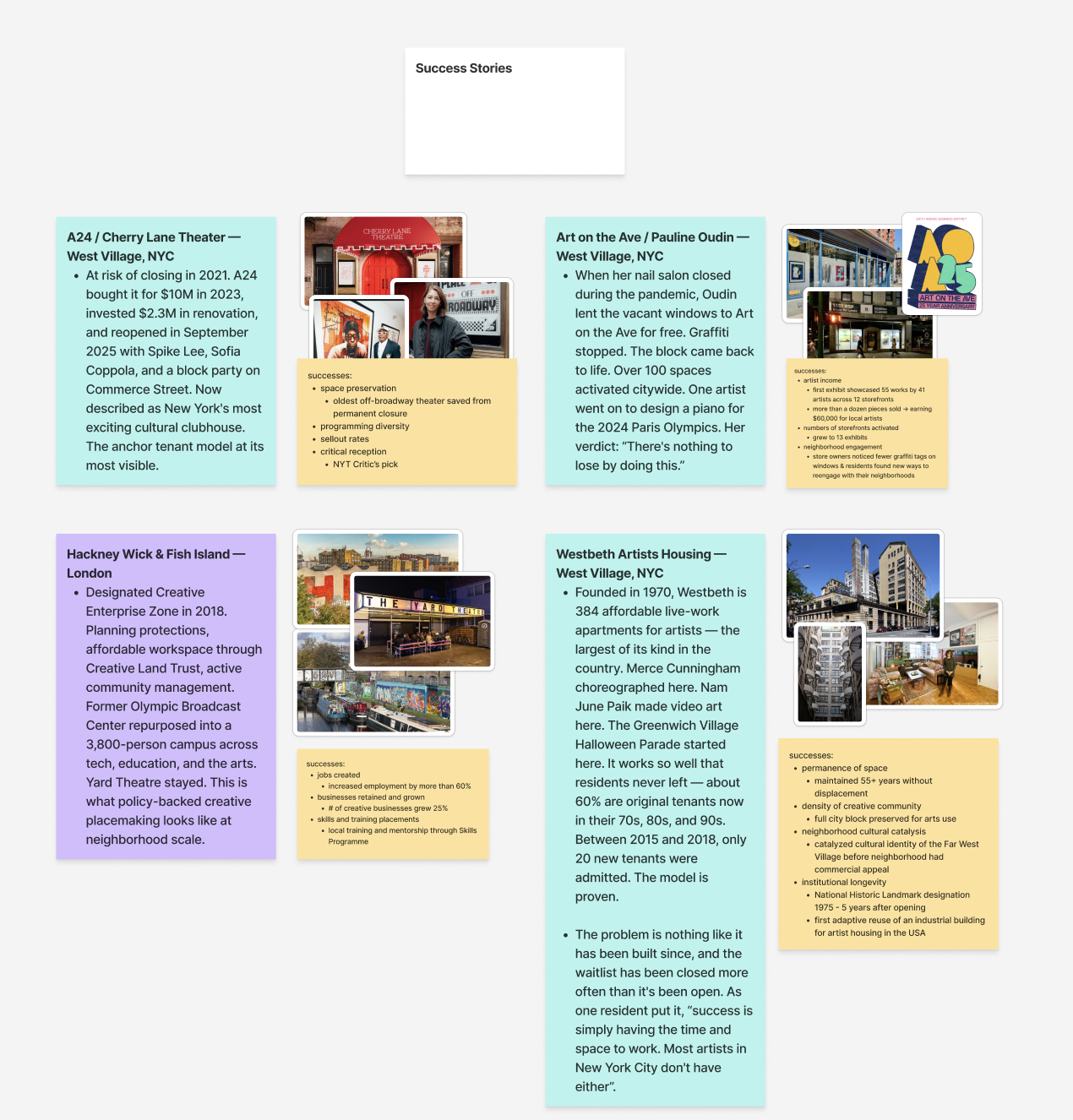
Success stories board covering A24 at Cherry Lane Theater, Art on the Ave, Hackney Wick in London, and Westbeth Artists Housing.
Success stories

Click any board to open it full size.

Design principles surfaced
01
Make the smallest yes
possible to say.
Thirty days, one page, a five-day exit. Commitment is a ladder, not a threshold. The first rung has to be low enough that refusing it takes more effort than trying it.
02
Trust travels sideways,
not down.
A landlord who already said yes is more persuasive than any city agency. The system's job is to manufacture that peer encounter on purpose, then recruit each new participant into it.
03
Legibility is the
design problem.
The program worked before we touched it. What it lacked was a shape a stranger could recognize. Most civic service gaps are comprehension gaps wearing a participation costume.
+
The right metric
Success isn't agreements signed. It's when landlords describe their participation in neighborhood identity terms rather than program compliance terms. "I wanted to do something for the block" means the system is working.
Implementation plan
01
Launch the Kit
Days 1 to 90. Physical kits into caseworker hands. Cheapest thing to test, fastest signal.
02
Build the Platform
Months 2 to 6. Two doors, curated matching, scheduling. No public artist directory.
03
Design the Site Visit
Months 3 to 6. Standardize the room, the sequence, and the 48-hour follow-through.
04
Full System Launch
Month 6 onward. Kit, platform, and visit running as one loop, with peers feeding the next cycle.